Fraud prevention · Filed November 3, 2026
Double Brokering: Catch It Before the Truck Reaches the Pickup
Double brokering is cheapest to catch before the truck is loaded. The pre-pickup red flags and checks freight brokers can run on every load.
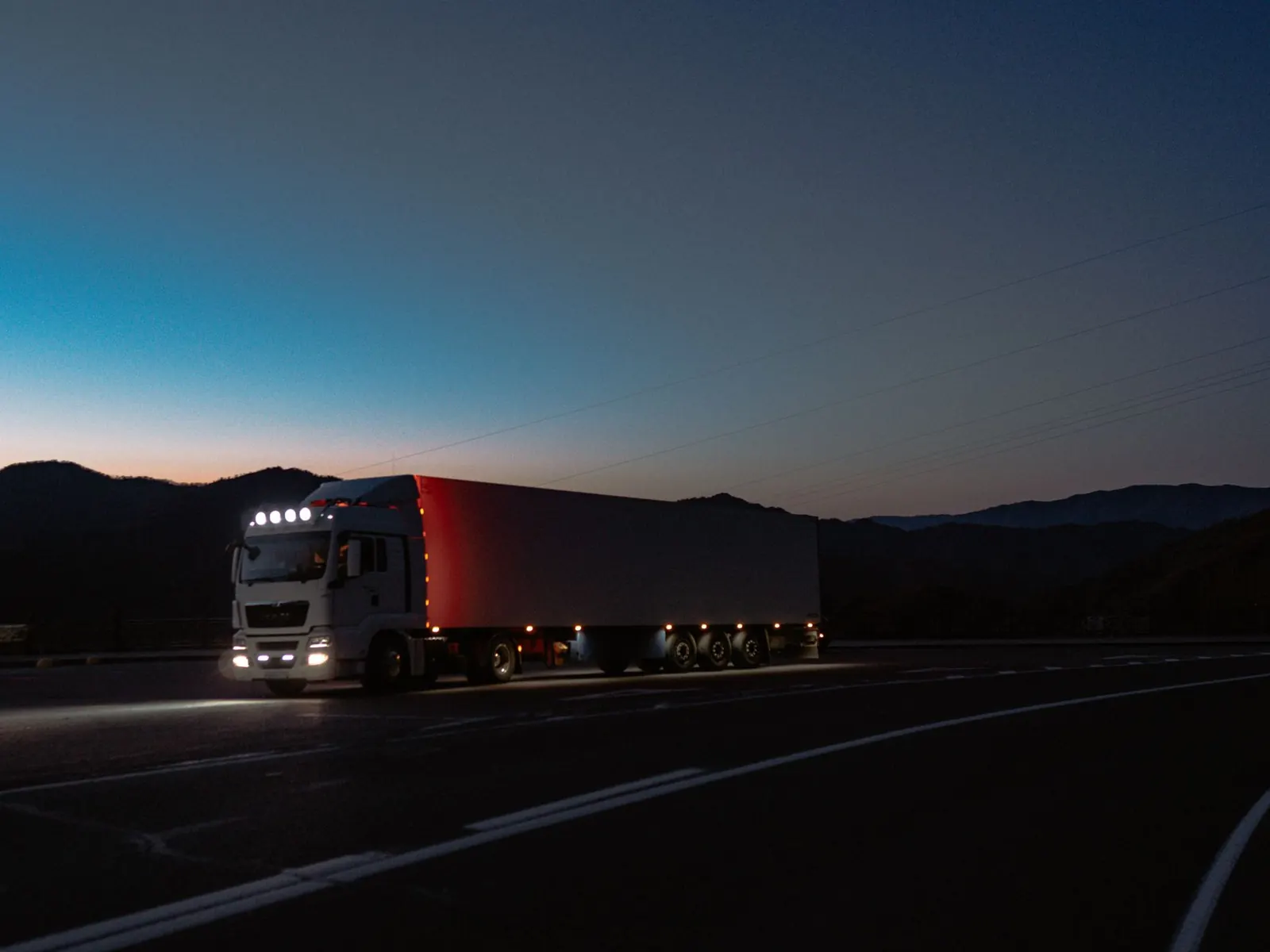
There's a moment in every double-brokered load when the fraud is still cheap to stop, and it is always before the freight is on the truck. After pickup, your options are a claims file, a lawyer, and a series of unpleasant phone calls. Before pickup, your options are "ask two more questions and tender to someone else." This article is about staying on the good side of that line.
What double brokering actually is
Double brokering is when the carrier you tendered a load to hands it to another carrier without your knowledge or consent, inserting themselves as an unauthorized middleman. Distinguish it from legitimate co-brokering, which is disclosed and agreed to. Double brokering is defined by concealment — you think you know who's hauling your freight, and you're wrong.
It comes in two flavors, and the difference matters:
- The margin skim. The "carrier" re-posts your load, gets it hauled by a real carrier at a lower rate, and pockets the spread — often along with the entire payment. Sometimes you get lucky and the freight delivers. Then the hauling carrier doesn't get paid, a claim or a lien threat lands on your customer's dock, and the company on your rate confirmation turns out never to have owned a truck.
- The theft setup. Double brokering as a delivery mechanism for cargo theft. The middleman controls the load's information flow just long enough to redirect the freight. Nobody involved intends the load to arrive.
Both start the same way: with a carrier identity that isn't hauling anything.
Why it keeps working
Standard vetting confirms the company — authority, insurance, safety record. Double brokering doesn't need a bad company. It needs a usable one: a real MC, borrowed or stolen or briefly rented, presented by someone with no trucks and no intention of using any. The paperwork checks out because it's someone else's paperwork. What fails is the connection between the entity on the rate con and the human beings who actually show up.
That's why the tells are almost never in the documents. They're in behavior, and in the gap between the dispatcher and the truck.
The pre-pickup red flags
None of these alone is proof. Two or three together on one load is a pattern.
- The economics are too friendly. A carrier accepting a below-market rate instantly, on a lane where they have no history with you, isn't hungry — they may be reselling. Their margin comes from the spread, not the haul.
- The dispatcher's phone doesn't match the record. The number in the email signature isn't the carrier's number of public record, and calls to the public number go somewhere else. This is the single most reliable tell, and the cheapest to check.
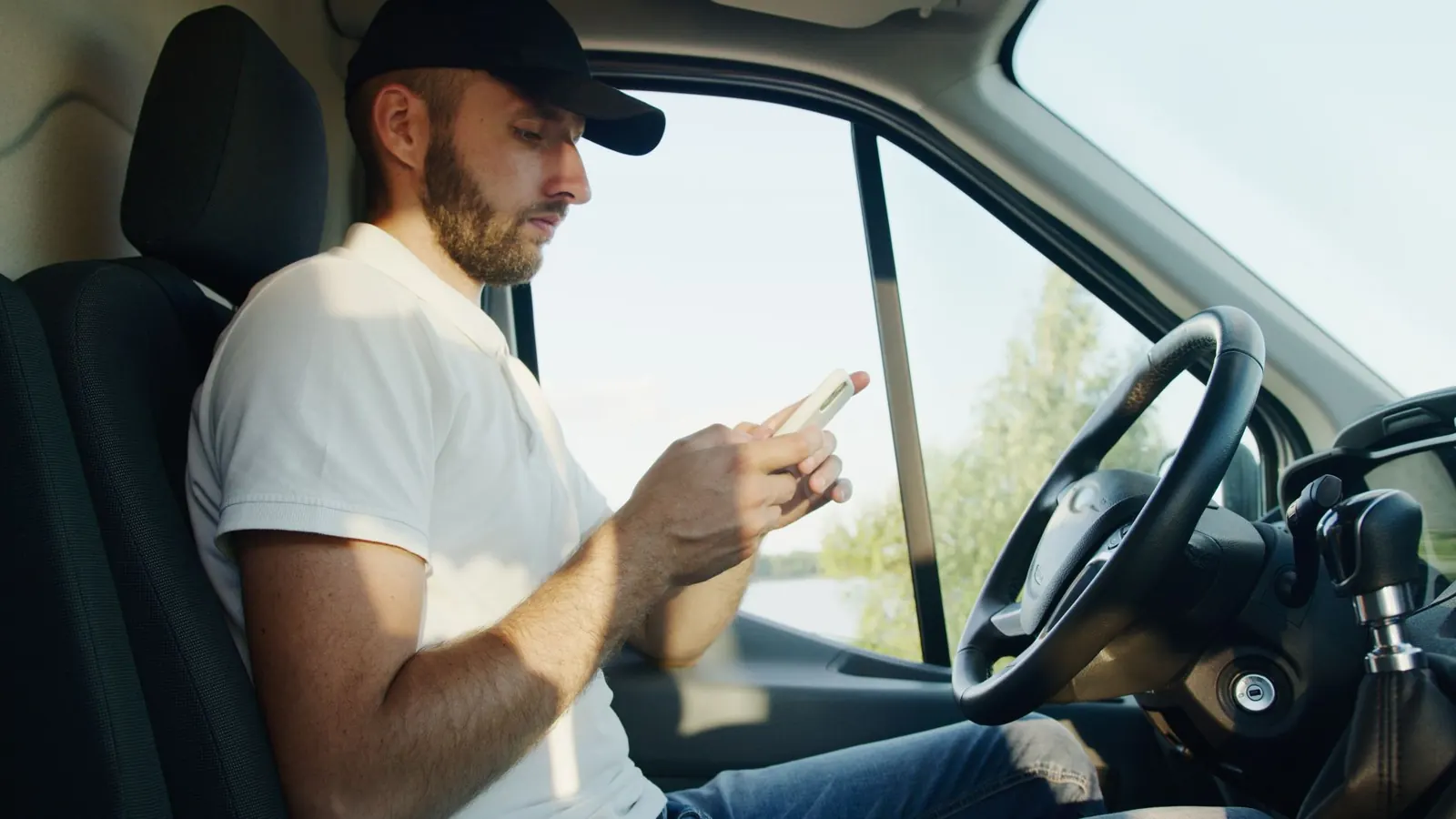
- Driver and truck details won't materialize. You ask for driver name, truck number, and trailer, and you get "we'll send it day-of." Real dispatchers know their trucks. Resellers don't have one yet.
- The contact fields moved recently. A carrier whose phone or email changed in the last few weeks — visible if you keep history, invisible if you don't — is a carrier whose record may be under new management.
- Insurance arrives sideways. The certificate comes from an unfamiliar producer, names a slightly wrong insured, or your confirmation call to the agent gets strange answers.
- Everything is urgent. Pressure to skip steps is itself a data point. Legitimate carriers survive verification every day.
The pickup-day protocol
Everything above is desk work. The last line of defense is physical, and it's the one double brokers can't fake: the truck.
- Get driver, truck, and trailer details in advance — name, truck number, plate or VIN — and treat refusal as an answer.
- Match at the gate. Whoever is at pickup confirms the driver's name and the equipment against what was promised. A different truck "because of a breakdown" is where you make a phone call, not a shrug.
- Track the driver's phone, not the dispatcher's word. Location updates relayed by a dispatcher are the fraud's home turf. Position data that comes from a device in the actual truck is the only version worth having.
Where the software should be doing this for you
Every check above can be run by a disciplined human. The point of building them into a platform is that discipline shouldn't depend on the busiest person's memory on the busiest day.
This is how Happy Tactic's fraud prevention approaches the problem: the verification pipeline ties the entity to the humans before a tender goes out. The owner is interviewed by automated call on the carrier's number of public record and explicitly confirms whether the dispatcher is authorized to accept loads — an unauthorized nominee fails the verification. The driver completes a camera-only capture: selfie with ID, license front and back (the barcode is decoded, so the license data comes from the card, not from what anyone typed), and the VIN plate — with the VIN cross-checked against the VINs on the carrier's insurance policy. A truck that isn't on the policy is a question you get to ask before pickup instead of after.
Then tracking closes the physical gap: dispatching a load texts the driver a link, and check-ins, the POD, and GPS come from the driver's own phone — no app required, no login, no dispatcher relay. If the person hauling your load isn't the person who was verified, that becomes visible while the load can still be refused.
The uncomfortable summary
Double brokering persists because its costs land after pickup and most vetting effort stops before tender. Move your effort into the gap between those two points. Confirm the dispatcher is authorized by the owner of record. Demand the driver and equipment details early. Match them at the gate. Take position data from the truck, not from the middleman. The whole scheme depends on nobody connecting the company on the paperwork to the human in the truck — make that connection on every load, and you stop being the broker it works on.
For how we approach this, see double brokering prevention.