Fraud prevention · Filed November 3, 2026
What Is a Chameleon Carrier? How to Spot One Before You Tender
A chameleon carrier shuts down and reopens under a new name to escape its record. How chameleon carriers work, the warning signs, and how brokers can catch them.
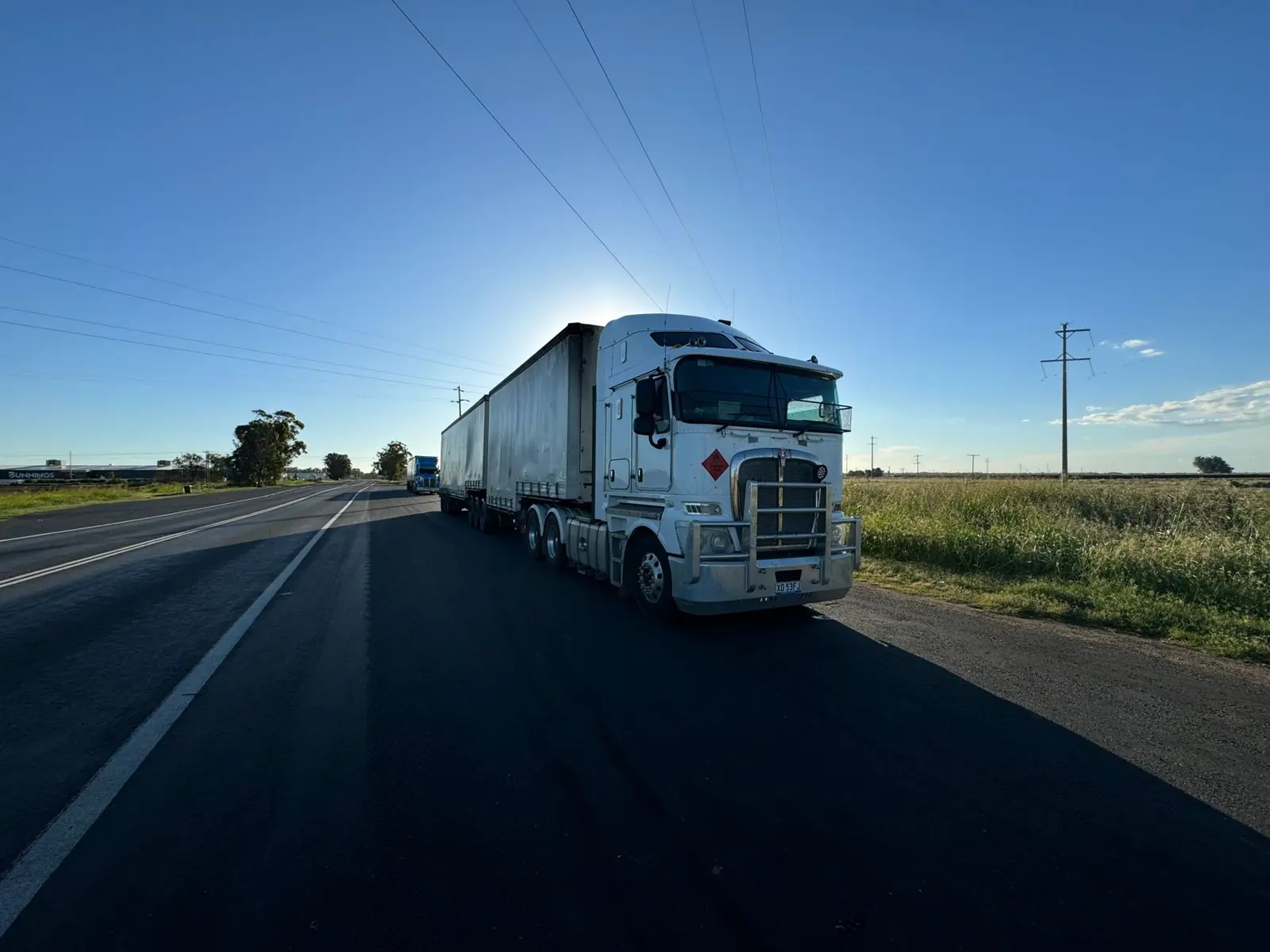
A chameleon carrier is a trucking company that shuts down and reopens under a new name and a new number to get away from its past: bad safety records, out-of-service orders, unpaid fines or claims. The trucks, the people and the phone number may be the same. On paper, it's a brand-new company with nothing against it.
Chameleons matter to brokers for a specific reason. The usual check, looking up the carrier's record, can come back clean because the record really is new.
Why it matters
This goes beyond paperwork. A Government Accountability Office finding cited by FreightWaves found that carriers with chameleon attributes were three times more likely to be involved in severe crashes than legitimate new entrants.
For a broker, there's now a legal side too. Since the Supreme Court's Montgomery v. Caribe Transport ruling, negligent selection claims can proceed under state law, and a carrier's hidden history is exactly what a plaintiff's attorney will go looking for.
Chameleon carrier vs. carrier identity theft
These two get mixed up, and they call for different checks:
- A chameleon carrier creates a new identity to hide from its own past. The record is thin or new, but connected to an old one.
- Carrier identity theft borrows someone else's real identity. The record is long and clean, but the person you're talking to isn't the carrier. See the anatomy of carrier identity theft.
One looks too new and the other looks too good. A vetting process needs to catch both.

Warning signs
No single sign proves anything. Plenty of new carriers are honest people who just got started, and they deserve a fair look. It's the combination that matters.
Brand-new authority with an experienced operation. A carrier with months-old authority, a large fleet and a confident sales pitch deserves a question. How did a new company get so established?
Shared details with a closed carrier. The same address, phone number, email, officers, equipment or insurance as a carrier that went inactive. This is the classic sign, and it's worth checking any time something feels familiar.
Timing. New authority shortly after a related company got an out-of-service order, lost its insurance or received a bad review.
Used equipment with history. VINs that have appeared under another carrier. A truck can be sold legitimately, so ask, and don't assume.
A driver with a different story. The driver mentions a company name that isn't on your paperwork, or their uniform or truck lettering doesn't match.
Vague answers about history. Ask simply: "How long have you been running? Under what name before this?" Honest people usually have an easy answer.
How to check
- Look past the status. Active authority only tells you that it's active. Check the date it was granted.
- Search the details. Look up the phone number, address, email domain and officer names. See what else comes up.
- Check the equipment. If you can get VINs, see whether they've appeared elsewhere, and compare them with the insurance policy.
- Follow the changes. Look for a record whose details changed recently. Our post on change history vs. a snapshot explains why that's useful.
- Talk to a person. Reach the owner on the number of record and ask about the company's history.
- Write down what you found. Include your reasoning for approving a new carrier.
New doesn't mean bad
It's worth saying plainly: most new carriers aren't chameleons. Everyone in this industry started somewhere, and treating every new authority as a suspect would cut you off from good capacity. The aim is to ask better questions, and to know the answers fit.
Will FMCSA's new system stop this?
It should help. FMCSA's Motus system requires identity proofing for new applicants, which should make it harder to reappear under a new name. It's new, though, and it isn't a replacement for your own checks.
How Happy Tactic helps
Happy Tactic's carrier verification keeps a history of each carrier's record so changes stand out instead of disappearing, and checks across everything it collects, including VINs, against the policy and documents. A recorded call to the owner, insurance from the source and camera-only driver and truck captures add evidence that a new name can't simply replace.
No tool can guarantee it will catch every chameleon. But a chameleon relies on nobody looking past the top line of the record, and it's a much weaker trick when someone does.